When arriving in Bali, one of the first things travelers need is mobile data. Whether it’s for booking a ride, opening maps, or messaging friends, staying connected is essential. Most travelers choose between two options:
- an international eSIM roaming plan
- a local SIM card in Bali
While both options work, the experience can be quite different depending on how you travel. Here’s what many travelers have experienced when comparing the two.
You Pay More for Less Data
One of the most common complaints about eSIM roaming is the price. Many travelers notice that roaming eSIM plans often come with:
- limited data (for example 3GB–10GB)
- higher cost per GB
- shorter validity periods
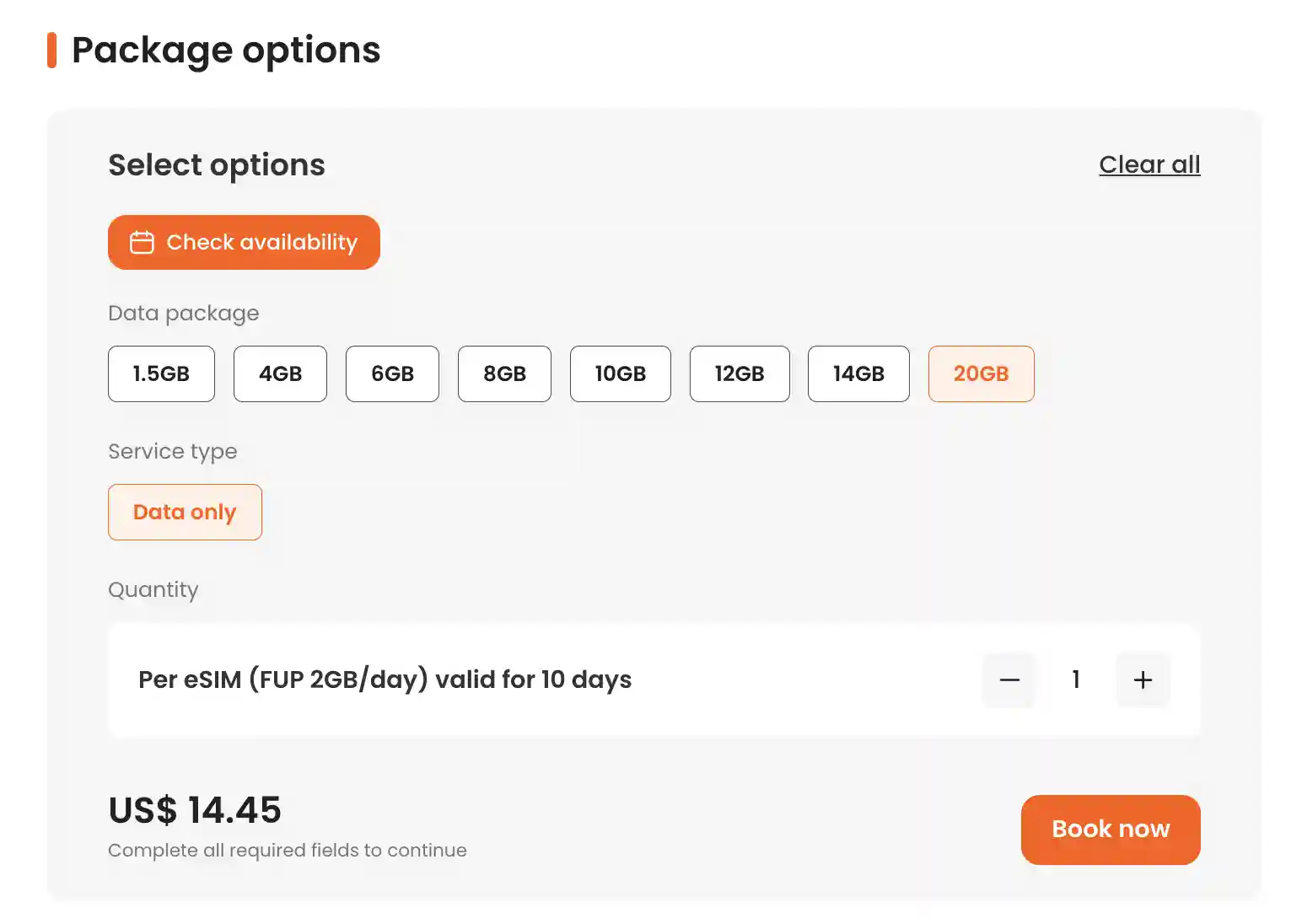
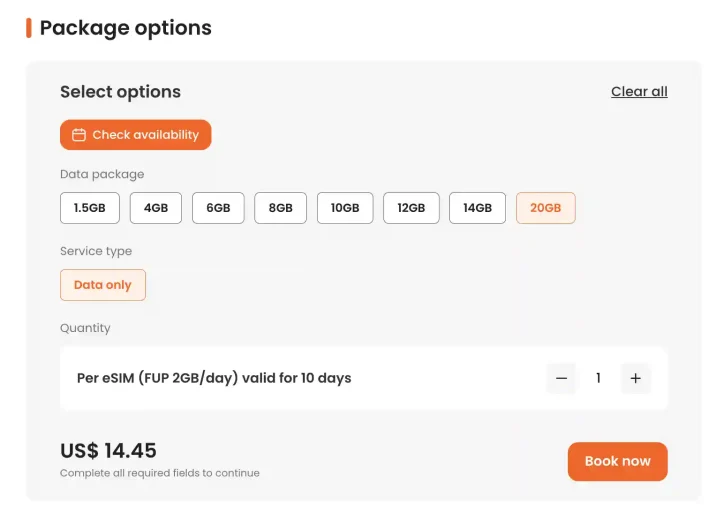
eSIM Roaming For Bali in Klook Platform
This becomes a problem if you use apps often. Apps like Google Maps, Grab, and WhatsApp can use a lot of data every day. In contrast, local SIM cards in Bali usually offer:
- larger data packages
- more affordable pricing
- better value for longer stays
- offer more data for a lower price.
This makes them a better option for many travelers. If you are not sure how much data you need, check our guide on how much data tourists actually use in Bali.
No Local Number Means Limited Access
Another limitation of eSIM roaming is the lack of a local phone number. Without an Indonesian number, some travelers find it harder to:
- receive local calls
- confirm bookings
- use certain local services
For example, Online Marketplace, Drivers or Bank operators in Bali often prefer contacting customers directly via phone or WhatsApp. Having a local SIM card with a local number can make communication smoother, especially for longer stays.
Data Plans Are Less Flexible and Harder to Top Up
With roaming eSIMs, topping up data is not always straightforward. Some travelers report:
- needing to reconnect to the provider’s website
- limited plan options
- confusion about validity and renewal
On the other hand, local SIM cards usually allow:
- flexible and affordable data packages
- top-up available almost anywhere in Bali
- easy payment using local currency
This becomes important if your trip extends or if you run out of data.
No Local Support When You Need Help
One of the biggest differences is support. If something goes wrong with an eSIM roaming plan, support is often:
- online only
- time-zone dependent
- not immediate
For travelers who just landed at Ngurah Rai International Airport, this can be frustrating. With a local SIM card, help is usually available:
- directly at the counter
- or by visiting nearby stores like XL, Indosat, or Tri for assistance
You may also need to understand how SIM card registration works in Indonesia, including IMEI rules.
This gives peace of mind, especially after a long flight.
Not Ideal for Long or Active Travel
eSIM roaming works well for short trips or light usage. But for travelers who:
- stay longer (7–30 days)
- use data frequently
- rely on navigation and ride apps daily
a local SIM card often becomes the more practical option. You get more data, better prices, and a connection you can rely on during your trip.
Conclusion
Both options can work, but for most travelers in Bali, a local SIM card is often the better choice. eSIM roaming can be useful before arrival. It gives you instant access without changing your SIM.
However, once you are in Bali, many tourists prefer switching to a local SIM card. This is because a local SIM usually offers:
- more data at a better price
- a local number for easier communication
- stable connection for daily use
- access to local support if needed
For travelers staying longer or using data frequently, this makes a big difference.
Many travelers prefer to get a SIM card right after landing at Ngurah Rai International Airport. If you are still deciding, you can read our guide on choosing between eSIM and physical SIM options.
You can order your SIM card online here and pick it up at the airport. Get help with setup and activation under 2 minutes.
This way, you can skip the hassle and start your trip in Bali fully connected from the moment you arrive.